Captions in Arabic
Arabic captions, beautifully done.
Full right-to-left support for Arabic captions. The cloud AI transcribes MSA and regional dialects.
Create in your browser. Start for free.
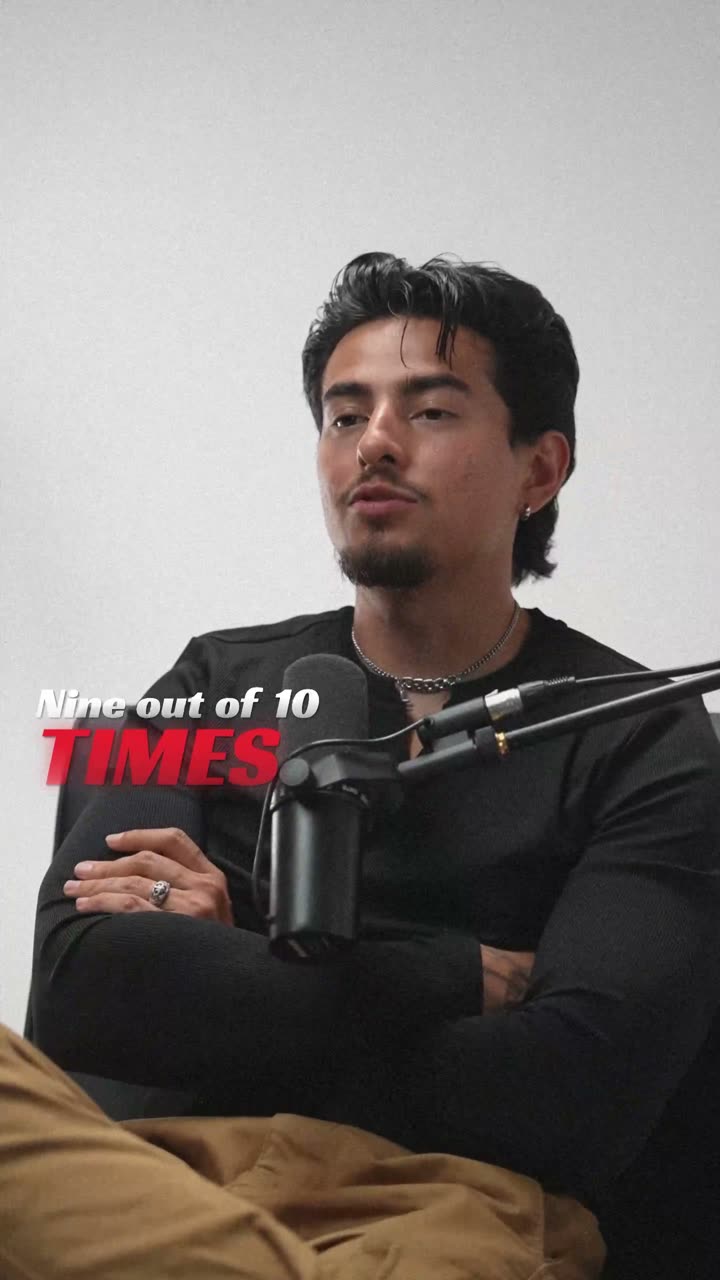
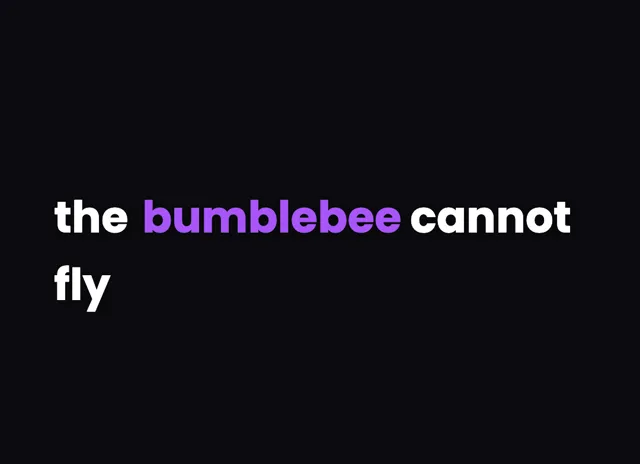
A style for your story
Curated fonts, color, and motion
From spoken words to styled captions
How to add Arabic captions
01 / Upload
Start with your video
Open the editor and upload the video you want to caption. Choose Arabic for transcription.
02 / Make it yours
Review and choose a style
Review the generated words, correct the details, and choose a caption style that fits your story.
03 / Share
Export your captioned video
Preview the timing and placement, then export your video with the captions included.
Made for your language
Arabic
العربية
For TikTok, YouTube, Snapchat
Transcription and timing
Use the small model for Arabic. MSA is best supported; dialectal Arabic (Egyptian, Gulf) has lower accuracy.
Getting the script right
Arabic is right-to-left. Captions render RTL automatically when Arabic text is detected.
Beautiful by default
The right words. A look that's yours.
Keep it clean
Let the words do the talking.
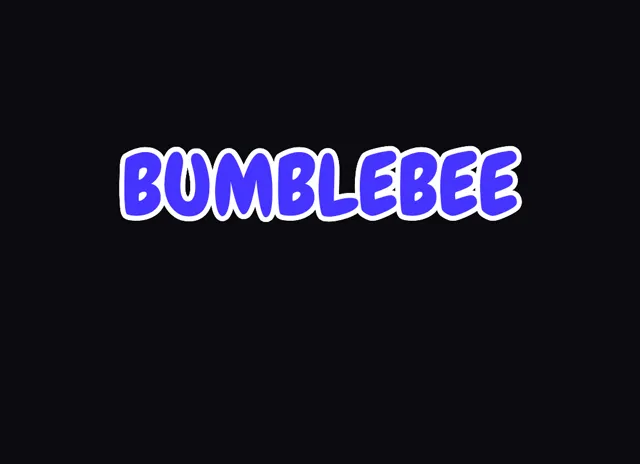
Make a statement
Bold type for your biggest moments.
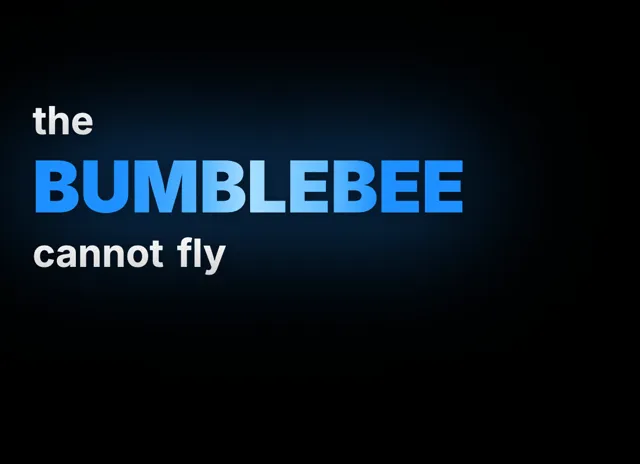
Give words presence
Emphasis that brings your story to life.
Style examples shown in English. Choose a font that supports your video's language.
Arabic Captions for MENA Content Creators
The Arabic-speaking world spans over 25 countries with more than 400 million speakers, making it one of the most valuable languages for content creators to support. Social media usage in the MENA region is among the highest globally, with platforms like TikTok, YouTube, and Snapchat seeing massive engagement from Arabic-speaking audiences. Captions are particularly important for Arabic content because many viewers watch videos without sound, during commutes, in quiet workplaces, and in shared living spaces. Arabic captions also improve accessibility for deaf and hard-of-hearing viewers across the region. VideoCaptions.AI renders Arabic text right-to-left automatically, so your captions display correctly without any manual configuration. The tool handles Arabic script's connected letter forms and diacritical marks, producing clean, readable captions that feel native to Arabic-speaking viewers.
Cloud AI and Arabic Dialect Support
Cloud AI performs best with Modern Standard Arabic (MSA), which is used in news broadcasts, formal presentations, and educational content. For dialectal Arabic, including Egyptian, Gulf, Levantine, and Maghrebi variants, accuracy varies. Egyptian Arabic tends to have the best dialect support because it is so widely represented online. Gulf and Levantine Arabic also perform reasonably well. For the best results with dialectal content, speak at a measured pace. After transcription, review the output carefully in the visual editor where you can correct any misheard words. The editor fully supports Arabic text input and editing, so you can fix dialectal terms the cloud AI may have rendered in MSA equivalents. Animation effects like karaoke highlighting work beautifully with Arabic, illuminating each word as it is spoken from right to left.
Does VideoCaptions.AI support right-to-left Arabic text?
Yes. Arabic text is rendered right-to-left automatically. The caption engine detects Arabic characters and applies RTL text direction, handling connected letter forms, diacritical marks, and proper word spacing without any manual configuration needed.
Which Arabic dialects does the cloud AI support?
The cloud AI works best with Modern Standard Arabic. Egyptian Arabic has good dialect support because it is so widely represented online. Gulf, Levantine, and Maghrebi dialects have varying accuracy. Speaking clearly will give you the best results across dialects.
Can I mix Arabic and English in my captions?
Yes. The cloud AI handles Arabic-English code-switching and will transcribe each language segment appropriately. The rendering engine correctly handles bidirectional text, displaying Arabic portions right-to-left and English portions left-to-right within the same caption line.
What platforms are Arabic captions most useful for?
TikTok, YouTube, and Snapchat have massive Arabic-speaking audiences. TikTok in particular has seen explosive growth in Saudi Arabia, Egypt, and the UAE. Adding Arabic captions to your short-form content significantly boosts engagement and discoverability on these platforms.
Your next video starts here
Start Creating Arabic Captions
Beautiful captions. Your words, your style.
Keep exploring